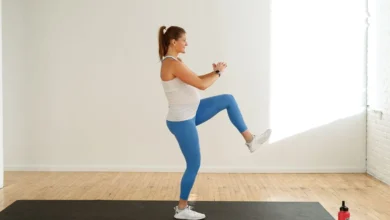
Staying active during pregnancy is one of the most effective ways to support physical health, emotional well-being, and a smoother childbirth experience. When done correctly, exercise benefits both the expecting mother and the developing baby. This guide outlines safe, doctor-approved exercise routines and practical tips for maintaining an active lifestyle throughout pregnancy.
Why Exercise During Pregnancy Matters
Regular physical activity helps the body adapt to the demands of pregnancy. It supports muscle strength, circulation, posture, and energy levels while also promoting mental balance.
Benefits of safe prenatal exercise include:
- Reduced back pain and joint discomfort
- Improved mood and stress management
- Better sleep quality
- Increased stamina for labor and delivery
- Support for healthy weight gain
Exercise should always feel supportive, not exhausting or painful.
General Safety Guidelines to Follow
Before beginning or continuing any exercise routine, medical clearance is essential, especially for first-time pregnancies or underlying health conditions.
Key safety rules include:
- Avoid exercises that involve lying flat on your back after the first trimester
- Stay hydrated before, during, and after workouts
- Wear supportive footwear and breathable clothing
- Stop immediately if dizziness, pain, or shortness of breath occurs
- Focus on consistency rather than intensity
Listening to your body is the most important safety measure.
Best Types of Exercise During Pregnancy
Certain activities are widely recommended because they are low-impact and adaptable to different fitness levels.
Walking
Walking is one of the safest and easiest ways to stay active during pregnancy. It improves circulation without placing stress on joints.
Why it works well:
- Can be done almost anywhere
- Easy to adjust pace and duration
- Supports cardiovascular health
Prenatal Yoga and Stretching
Prenatal yoga focuses on gentle movements, breathing, and flexibility.
Benefits include:
- Reduced muscle tension
- Improved balance and posture
- Relaxation and stress relief
Always choose classes or routines specifically designed for pregnancy.
Swimming and Water Aerobics
Water-based exercises provide resistance while supporting body weight.
Advantages of water workouts:
- Reduced joint pressure
- Relief from swelling and back discomfort
- Safe cardiovascular conditioning
Strength Training (Modified)
Light strength training helps maintain muscle tone and supports posture as the body changes.
Safe strength training tips:
- Use lighter weights with higher repetitions
- Avoid breath-holding during movements
- Focus on controlled, slow motions
Exercises should feel stable and well-supported.
Exercises to Avoid During Pregnancy
Some activities increase the risk of injury or complications and should be avoided.
Common exercises to skip include:
- High-impact sports or contact activities
- Exercises with a high risk of falling
- Intense abdominal workouts
- Hot yoga or workouts in high heat
When unsure, choosing gentler alternatives is always safer.
How Often and How Long to Exercise
Most healthcare professionals recommend moderate activity on most days of the week.
General exercise guidelines:
- Aim for 20–30 minutes per session
- Maintain a pace where conversation is still possible
- Include rest days when needed
Consistency is more beneficial than pushing limits.
Adjusting Exercise as Pregnancy Progresses
As pregnancy advances, energy levels and balance change. Exercise routines should evolve accordingly.
Helpful adjustments include:
- Slowing down movements in later trimesters
- Using additional support for balance
- Prioritizing comfort over performance
Adapting workouts helps prevent strain and keeps exercise enjoyable.
Warning Signs to Stop Exercising
Exercise should never cause distress. Certain symptoms require immediate attention.
Stop exercising and contact a healthcare provider if you experience:
- Vaginal bleeding
- Chest pain or severe shortness of breath
- Dizziness or fainting
- Persistent uterine contractions
Safety should always come first.
FAQs About Exercising During Pregnancy
1. Can someone who didn’t exercise before pregnancy start now?
Yes, with medical approval, beginners can start with gentle activities like walking or prenatal stretching.
2. Is it safe to exercise every day while pregnant?
Moderate daily exercise is often safe, as long as intensity remains low and rest is included when needed.
3. Does exercise during pregnancy affect the baby’s growth?
Safe, moderate exercise does not harm fetal growth and may support overall pregnancy health.
4. Should exercise routines change after the first trimester?
Yes, some modifications are needed as the body changes, particularly regarding balance and core movements.
5. Can pelvic floor exercises be done throughout pregnancy?
Yes, pelvic floor exercises are highly recommended and can be practiced safely during all trimesters.
6. Is it normal to feel less energetic during workouts while pregnant?
Yes, fluctuating energy levels are common, and workouts should be adjusted accordingly.
7. Can exercise help with postpartum recovery?
Maintaining safe activity during pregnancy often supports faster physical recovery after childbirth.