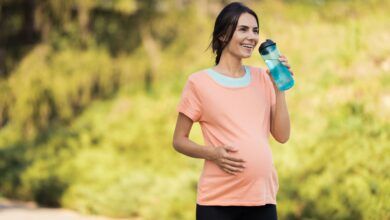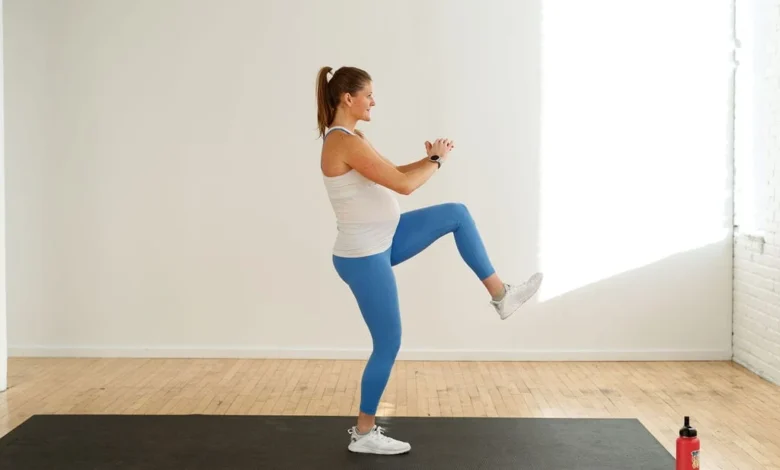
Staying active during pregnancy doesn’t mean pushing limits or following intense routines. Low-impact workouts are especially beneficial for expecting mothers because they reduce stress on joints while supporting strength, mobility, and overall well-being. When practiced consistently and safely, these exercises help prepare the body for childbirth and recovery without unnecessary strain.
Why Low-Impact Exercise Is Ideal During Pregnancy
As pregnancy progresses, changes in balance, weight distribution, and joint flexibility increase the risk of discomfort and injury. Low-impact workouts minimize these risks while still delivering meaningful health benefits.
Key advantages include:
- Reduced pressure on joints and ligaments
- Improved circulation and posture
- Lower risk of falls or overexertion
- Better energy management and mood balance
These workouts are adaptable for all fitness levels and trimesters.
Walking: The Most Accessible Pregnancy Workout
Walking is one of the safest and simplest exercises for expecting mothers. It keeps the body moving without placing excessive stress on muscles or joints.
Why walking works so well:
- Easy to adjust pace and distance
- Improves cardiovascular health
- Supports healthy weight management
- Requires no special equipment
A daily walk, even for short durations, can make a noticeable difference in stamina and comfort.
Prenatal Yoga for Flexibility and Calm
Prenatal yoga focuses on gentle stretching, breathing, and controlled movements designed specifically for pregnancy.
Benefits of prenatal yoga include:
- Improved flexibility and posture
- Reduced lower back and hip discomfort
- Enhanced breathing awareness
- Stress and anxiety reduction
It also encourages mindfulness, which can be helpful during labor and delivery.
Swimming and Water Aerobics
Water-based workouts are highly recommended during pregnancy because water naturally supports body weight.
Why water exercises are effective:
- Minimal joint and spine pressure
- Relief from swelling and back pain
- Safe cardiovascular conditioning
- Improved range of motion
Swimming laps or joining prenatal water aerobics classes can feel especially refreshing in later trimesters.
Prenatal Stretching Routines
Gentle stretching helps relieve muscle tightness caused by posture changes and added weight.
Key benefits of stretching include:
- Improved circulation
- Reduced muscle stiffness
- Better mobility and balance
Stretching should be slow, controlled, and never painful.
Stationary Cycling
Stationary bikes provide a stable, low-impact cardio option without the balance risks of outdoor cycling.
Why stationary cycling is pregnancy-friendly:
- Controlled environment
- Adjustable resistance
- Low strain on knees and hips
Maintaining an upright posture and moderate pace keeps the workout safe and effective.
Modified Strength Training
Light strength training supports muscle tone and posture while preparing the body for daily physical demands.
Safe strength training guidelines:
- Use light weights or resistance bands
- Focus on slow, controlled movements
- Avoid breath-holding
- Prioritize proper form over repetitions
Strength training should always feel stable and manageable.
How to Exercise Safely and Comfortably
Low-impact workouts are safest when combined with mindful habits.
Essential safety tips:
- Warm up and cool down properly
- Stay hydrated before and after exercise
- Wear supportive footwear and clothing
- Stop immediately if dizziness or pain occurs
Medical guidance should always be followed, especially for high-risk pregnancies.
FAQs About Low-Impact Workouts During Pregnancy
1. Can low-impact workouts be done throughout all trimesters?
Yes, most low-impact exercises can be continued throughout pregnancy with appropriate modifications.
2. How often should expecting mothers exercise?
Moderate activity on most days of the week is generally recommended, depending on individual health.
3. Are low-impact workouts enough to stay fit during pregnancy?
Yes, they provide sufficient cardiovascular, strength, and flexibility benefits when done consistently.
4. Is it normal to feel sore after exercising while pregnant?
Mild soreness can occur, but sharp or persistent pain should be evaluated by a healthcare provider.
5. Should exercise routines change in the third trimester?
Yes, movements should be slower, more supportive, and focused on comfort and balance.
6. Can low-impact exercise help with labor preparation?
Yes, regular activity supports endurance, flexibility, and breathing control helpful during labor.
7. When should exercise be avoided during pregnancy?
Exercise should be paused if there are medical complications or symptoms such as bleeding, dizziness, or severe discomfort.