The Gap Between Physiotherapy Discharge and Full Recovery: How Private Yoga Instructors Are Filling It in Singapore

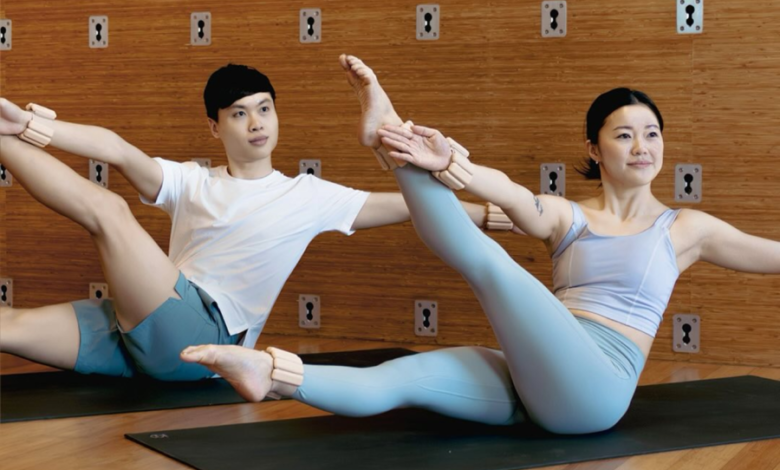
Physiotherapy discharge does not mean fully recovered.
It means the clinical goals of the acute rehabilitation phase have been met. The patient can walk. The post-surgical swelling has resolved. The movement patterns required for basic daily function have been restored.
What it does not mean: the patient is ready to return to sport, to resume a full exercise programme, or to navigate the physical demands of Singapore’s active working life without ongoing movement support.
This is the gap. And it is where a private yoga instructor Singapore with appropriate clinical preparation sits in the continuum of care, between the clinical rehabilitation that physiotherapy provides and the independent exercise competence that full recovery represents.
Why the Gap Exists and Why It Matters
Singapore’s physiotherapy system, both public and private, is generally excellent at delivering acute rehabilitation. The clinical protocols for post-surgical recovery, stroke rehabilitation and musculoskeletal injury management are evidence-based and well implemented.
The constraint is structural. Physiotherapy has a defined clinical scope and a defined endpoint: the restoration of function sufficient for safe discharge. What happens after discharge is outside the clinical mandate.
Patients who are discharged from physiotherapy have typically regained the movement capacity for daily activities. They have not regained the movement quality, the proprioceptive sophistication or the neuromuscular coordination for demanding physical activities. They have not developed the strength endurance needed to sustain good movement patterns under fatigue. They have not addressed the movement compensations that injury and surgery created and that, if left unaddressed, drive recurrence.
Without structured guidance through this post-discharge phase, many patients either return to full activity prematurely and re-injure, or remain permanently at a sub-optimal functional level because they never received the bridging support that would have taken them the rest of the way.
What Bridging Support Actually Involves
The post-discharge yoga programme for a specific patient is not a general yoga class. It is a structured progression based on the patient’s specific discharge status and the defined goal of returning them to their pre-injury functional level.
The starting point is always the physiotherapy discharge documentation. A private yoga instructor working in this capacity should request the physiotherapy discharge summary, understand the specific exercises the patient has been given, know the precautions that the treating physiotherapist specified and understand the movement limitations that remain at the point of discharge.
From this foundation, the programme builds systematically.
For a patient discharged following total knee replacement:
The initial sessions focus on consolidating the range of motion gains from physiotherapy while beginning to develop the quadriceps and hip muscle endurance that walking, stair climbing and prolonged standing require. The yoga postures used are specifically selected for their ability to progressively load the knee joint through its available range while maintaining the movement quality and proprioceptive feedback that the replaced joint’s altered mechanics require.
Mid-programme sessions introduce balance and proprioceptive challenges that progressively restore the neuromuscular coordination that the replaced joint’s reduced proprioceptive capacity demands extra work to maintain. Standing balance postures, progressed from bilateral to unilateral and from stable to subtly destabilised surfaces, directly address this need.
Later sessions introduce the functional movement patterns of the patient’s specific daily life: the specific demands of getting in and out of a car, climbing stairs with a heavy bag, or sitting for extended periods in the work context where the patient spends most of their day. Yoga postures that rehearse and improve the movement quality of these specific activities deliver functional improvement that generic rehabilitation does not target.
Building the Physiotherapy Referral Relationship
The most effective private yoga instructors operating in this post-discharge space in Singapore have invested in building genuine referral relationships with physiotherapists in their local professional network.
This is not a passive process. It requires proactive outreach, professional communication and the demonstration of clinical literacy that makes physiotherapists confident referring their patients to a yoga instructor rather than simply advising them to attend a general class.
The practical steps that establish these relationships include:
Introducing yourself to physiotherapists in your area with a clear, professional description of your clinical training background and the specific populations you work with.
Offering to have physiotherapists observe a post-discharge private session with a consenting client, so they can assess the movement quality, clinical awareness and professional communication standard of your teaching directly.
Communicating back to referring physiotherapists about shared patients’ progress in the programme, using movement terminology and functional outcome language that the physiotherapist will recognise as clinically credible.
Requesting feedback on your programme design for specific cases, positioning yourself as a member of the patient’s care team rather than an independent wellness provider.
Physiotherapists who have experienced the benefits of a genuinely clinically capable private yoga instructor for their post-discharge patients become consistent, high-value referral sources. The clinical credibility that underpins this relationship takes time to establish and is maintained through the quality of every shared patient outcome.
Yoga Edition approaches its one-to-one instruction with the professional standards and clinical communication capability that make genuine healthcare referral relationships possible, serving the post-discharge population with the movement support that their recovery journey genuinely requires.