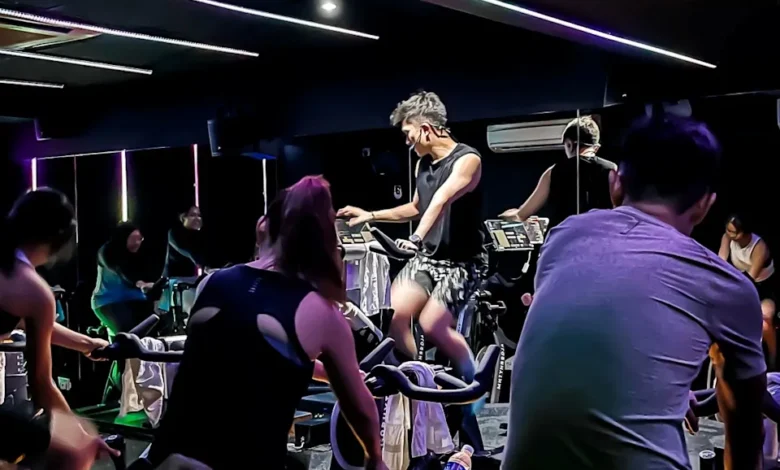
If you live with chronic knee discomfort, stiff joints, or have been told to avoid high-impact exercise, you are not alone. Millions of Singaporeans deal with joint-related limitations that make running, jumping, or even brisk walking feel painful and discouraging. The good news is that spinning classes offer one of the most joint-friendly yet genuinely effective cardiovascular workouts available today, and they are far more accessible than most people assume.
Indoor cycling keeps your feet on the pedals and your body supported by the saddle, which means your knees, hips, and ankles are never absorbing the kind of ground-force impact that running or aerobics demand. This makes it an ideal exercise option for people recovering from injuries, managing arthritis, or simply looking for a sustainable long-term fitness routine that does not punish their joints.
Why Joint Health Matters in Singapore’s Lifestyle Context
Singapore’s urban lifestyle is not particularly kind to joints. Long hours sitting at a desk, frequent use of escalators and lifts, high-heeled shoes, and a general lack of lower-body movement during the workday all contribute to weakened muscles around the knee and hip joints. When these supporting muscles are weak, the joints themselves carry more load, which accelerates wear and increases pain.
Obesity rates in Singapore have also climbed steadily, and excess body weight places significant additional stress on weight-bearing joints. According to the Health Promotion Board, osteoarthritis is one of the most common chronic conditions among Singaporeans aged 40 and above. Finding an exercise that burns calories effectively without stressing already-compromised joints is therefore not just a preference but a genuine health priority.
The Biomechanics of Spinning and Why It Protects Your Joints
The reason spinning is so easy on the knees comes down to how the movement is structured. Unlike running, where each footfall sends a shockwave up through the ankle, knee, and hip, cycling involves a smooth, circular pedalling motion. The load is distributed continuously and evenly across the joint rather than delivered in sharp, repetitive impacts.
The stationary bike also allows you to control resistance entirely. This is a critical advantage for people with joint issues. You can reduce resistance significantly on days when your knees feel stiff or inflamed, and still get a meaningful aerobic workout simply by maintaining cadence. You are never forced to push through pain because the class format allows every individual to ride at their own level.
Proper bike setup is equally important. A correctly adjusted saddle height ensures your knee does not over-extend at the bottom of the pedal stroke or compress too sharply at the top. Most spinning instructors will help you adjust the bike before class, and getting this right from your very first session makes a significant difference in both comfort and joint safety.
Specific Conditions That Benefit from Indoor Cycling
Osteoarthritis of the Knee Osteoarthritis involves the gradual breakdown of cartilage in the joint. Low-impact, repetitive motion like cycling helps maintain joint mobility and stimulates the production of synovial fluid, which lubricates the joint. Regular spinning can reduce stiffness and actually slow the functional decline associated with osteoarthritis when done consistently.
Patellofemoral Pain Syndrome (Runner’s Knee) This condition, common among active Singaporeans who run outdoors or play recreational sports, causes pain around the kneecap due to poor tracking of the patella. Spinning, when performed with correct saddle height and a smooth pedal stroke, places far less lateral stress on the patella compared to running, making it an excellent cross-training or recovery option.
Post-Surgical Recovery Individuals who have undergone procedures such as partial meniscectomy or knee arthroscopy are often encouraged by physiotherapists to begin gentle cycling as part of their rehabilitation protocol. The controlled nature of indoor cycling makes it easier to monitor effort and avoid overloading the healing tissue. Always consult your surgeon or physiotherapist before joining any exercise class post-surgery.
Lower Back Pain Seated cycling also tends to be gentler on the lumbar spine than high-impact exercise. Riders with mild to moderate lower back pain often find that spinning, with proper posture and handlebar adjustment, causes significantly less discomfort than jogging or circuit training.
How to Modify Your Ride for Joint Safety
Even within a spinning class, there are ways to make the experience more joint-friendly. Here are practical modifications that anyone with joint concerns should consider:
- Keep resistance moderate. You do not need to stack on maximum resistance to benefit from the session. A lighter resistance at a higher cadence is often safer and still delivers excellent cardiovascular results.
- Avoid standing climbs if your knees are in a vulnerable state. Seated cycling keeps the load more controlled and reduces anterior knee stress.
- Never let your knees bow outward while pedalling. Keep them tracking directly over the foot throughout the pedal stroke.
- Take a few minutes after class to stretch your quadriceps, hamstrings, and calves. These muscles directly influence knee mechanics and benefit enormously from post-ride stretching.
- Wear supportive footwear. You do not need specialist cycling shoes to start, but a firm-soled trainer with good arch support makes a noticeable difference in how the load travels through your foot and into the knee.
Building Long-Term Joint Resilience Through Consistent Spinning
One of the most underappreciated benefits of regular indoor cycling is what it does to the muscles surrounding the joints. The quadriceps, hamstrings, glutes, and calves are all engaged throughout every spinning session. As these muscles strengthen over weeks and months, they take on more of the workload that joints would otherwise absorb. This muscular support is one of the most effective long-term strategies for reducing joint pain and preventing further deterioration.
Consistency matters more than intensity when joint health is the goal. Three sessions per week of moderate-intensity spinning can produce measurable improvements in joint stability, muscle strength, and pain levels within six to eight weeks. This is not a quick fix but a sustainable, enjoyable habit that pays compounding dividends over time.
What to Expect in Your First Class
Walking into a spinning studio for the first time can feel intimidating, particularly if you are managing a physical limitation. The environment is energetic and the music is loud, but experienced instructors understand that participants enter at very different fitness and health levels. Arrive a few minutes early, let the instructor know about your joint concerns, and ask for help setting up your bike correctly.
The class will typically open with a warm-up that gradually increases cadence and resistance, allowing your joints to loosen up before any real effort is applied. From there, the session moves through intervals of sprints, climbs, and flat rides. You are always in control of your own resistance dial, so scaling back at any point is entirely within your hands.
FAQ
Q. Is spinning safe if I have been diagnosed with osteoarthritis? A. In most cases, yes. Spinning is widely recommended for people with osteoarthritis because it maintains joint mobility without the impact stress of running. However, it is advisable to get clearance from your doctor or physiotherapist first, particularly if your arthritis is severe or if you have had recent joint surgery.
Q. How many times a week should I spin if I am managing knee pain? A. Starting with two sessions per week and allowing adequate rest in between is a sensible approach. As your supporting muscles strengthen and your pain decreases, you can gradually increase to three or four sessions weekly. Listen to your body and never push through sharp or acute pain.
Q. Will spinning make my joint pain worse before it gets better? A. Some mild muscle soreness after the first few sessions is normal and is not the same as joint pain. If you experience sharp pain in the knee or hip during or after a session, reduce resistance and check your bike setup. Persistent joint pain that does not improve with rest should be evaluated by a healthcare professional.
Q. Do I need to wear cycling shoes to protect my knees? A. Cycling shoes are not compulsory for beginners. A firm-soled sports shoe works well to start with. Cycling shoes with cleats clip into the pedal and provide a more stable platform, which can actually benefit knee tracking over time, but they are an optional upgrade rather than a requirement.
Q. Can I join a spinning class if I am currently seeing a physiotherapist? A. Yes, and it is a great idea to let your physiotherapist know you are considering spinning. Many physiotherapists actively recommend indoor cycling as a complementary activity alongside their treatment plan. Your physiotherapist can advise on appropriate intensity levels and any specific modifications you should make.