Pain management doesn’t always require medication. Acupressure is a natural, hands-on technique that uses firm yet gentle pressure on specific points of the body to reduce discomfort and promote relaxation. Rooted in traditional healing practices, acupressure works with the body’s natural systems to ease pain, improve circulation, and support overall well-being.
How Acupressure Helps Relieve Pain Naturally
Acupressure stimulates nerves, muscles, and connective tissues. This stimulation may help release tension, improve blood flow, and encourage the body’s natural pain-relieving responses.
Benefits of using acupressure for pain relief include:
- Drug-free and non-invasive support
- Can be done anytime, anywhere
- Encourages relaxation and stress reduction
- Supports the body’s natural healing response
Consistency and proper technique are key for effective results.
Hand Acupressure for General Pain Relief
The hands contain powerful pressure points connected to various parts of the body, making them ideal for quick relief.
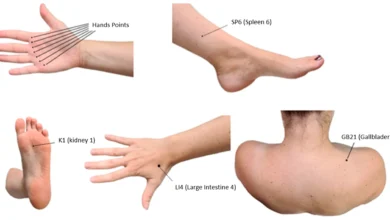
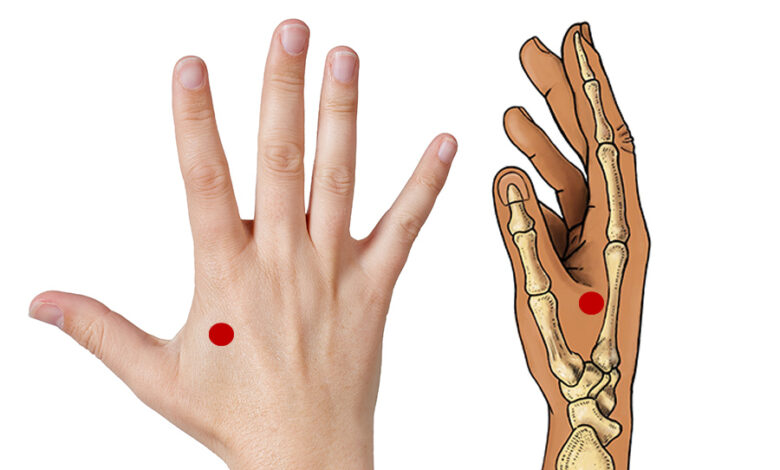
The LI4 (Union Valley) Point
Located in the soft webbing between the thumb and index finger.
Common benefits:
- Helps relieve headaches and facial pain
- Reduces neck and shoulder tension
- Supports overall pain management
Apply steady pressure for 30–60 seconds, then release slowly.
Acupressure for Headaches and Migraines
Tension headaches often stem from muscle tightness and stress. Acupressure can help calm the nervous system and ease pressure.
Temple and Base-of-Skull Points
These points are found at the temples and where the neck meets the skull.
How they help:
- Release muscle tension
- Improve circulation to the head
- Reduce headache intensity
Use slow circular motions while breathing deeply.
Neck and Shoulder Pain Relief Points
Prolonged sitting, stress, and poor posture commonly lead to neck and shoulder discomfort.
Shoulder Well Points
Located midway between the base of the neck and the shoulder joint.
Benefits include:
- Reduced stiffness and soreness
- Improved range of motion
- Relaxation of tight muscles
Pressure should be applied gently and evenly.
Acupressure for Lower Back Pain
Lower back pain is one of the most common complaints among adults. Acupressure may help reduce muscle tightness and improve comfort.
Lower Back and Hip Points
Found on either side of the spine and along the hip area.
How they help:
- Ease muscle spasms
- Improve circulation
- Reduce tension caused by prolonged sitting or standing
These points can be stimulated while seated or lying on your side.
Acupressure for Menstrual and Abdominal Pain
Certain points along the legs and lower abdomen are traditionally used to relieve cramps and digestive discomfort.
Inner Leg Points
Located a few finger-widths above the inner ankle bone.
Potential benefits:
- Reduced cramping
- Improved circulation
- Relaxation of abdominal muscles
Pressure should always be gentle and stopped if discomfort increases.
Tips for Practicing Acupressure Safely
Acupressure is generally safe when practiced mindfully.
Safety guidelines include:
- Use slow, controlled pressure
- Avoid pressing on bruised or injured areas
- Breathe deeply while applying pressure
- Stop immediately if pain or dizziness occurs
Acupressure works best as a complementary wellness practice rather than a replacement for medical care.
FAQs About Natural Pain Relief Using Acupressure
1. How long does it take for acupressure to reduce pain?
Some people feel relief within minutes, while others notice improvement after repeated sessions.
2. Can acupressure be done daily?
Yes, gentle acupressure can be practiced daily as part of a wellness routine.
3. Is acupressure effective for chronic pain?
It may help manage symptoms and reduce tension but should be combined with professional medical guidance for chronic conditions.
4. Do I need training to practice acupressure?
Basic techniques can be learned easily, but professional instruction improves accuracy and safety.
5. Can acupressure be combined with massage or stretching?
Yes, combining these methods often enhances relaxation and pain relief.
6. Are there people who should avoid acupressure?
Those with serious medical conditions, recent surgery, or severe pain should consult a healthcare provider first.
7. Can acupressure help with stress-related pain?
Yes, acupressure is especially effective for tension-related pain linked to stress and anxiety.