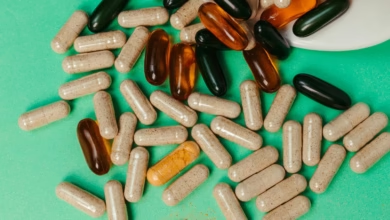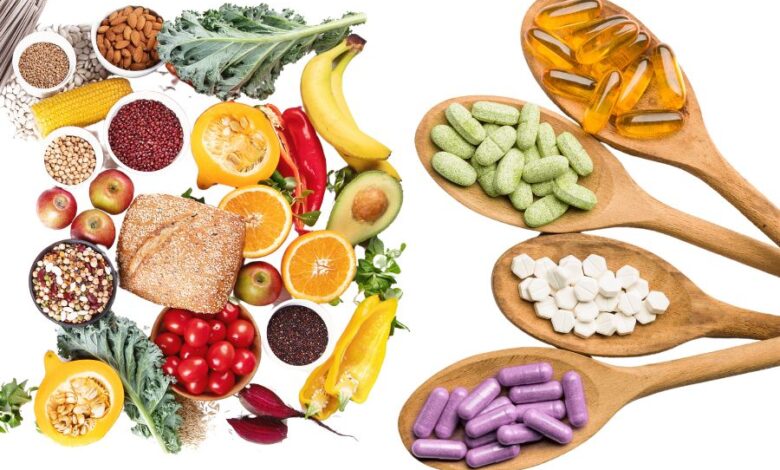
Nutrition advice often lands on a familiar debate: should you rely on supplements or get nutrients from whole foods? The answer is not absolute. Each plays a different role, and understanding those roles helps you make smarter, health-focused decisions without extremes.
Understanding Whole Foods
Whole foods are minimally processed foods that retain their natural structure and nutrient profile. These include fruits, vegetables, whole grains, legumes, nuts, seeds, eggs, and unprocessed meats.
Why Whole Foods Matter
Whole foods offer more than isolated nutrients. They provide nutrient synergy, where compounds work together to support health.
Key benefits include:
- Fiber for digestion and blood sugar control
- Phytonutrients that support immune and cellular health
- Natural balance of vitamins and minerals
- Greater satiety, helping with appetite regulation
Eating whole foods regularly supports long-term health in ways supplements cannot fully replicate.
What Supplements Are Designed to Do
Supplements are concentrated sources of nutrients, typically in pill, powder, or liquid form. Their purpose is to fill specific nutritional gaps, not to replace meals.
Common Reasons People Use Supplements
Supplements can be useful when:
- A diagnosed nutrient deficiency exists
- Dietary restrictions limit food variety
- Life stages increase demand (pregnancy, aging, intense training)
- Medical conditions affect absorption
Examples include vitamin D for limited sun exposure or iron for clinically confirmed deficiency.
Nutrient Absorption: Food vs Supplements
The body often absorbs nutrients from whole foods more efficiently due to the presence of enzymes, fiber, and supportive compounds.
How Absorption Differs
- Whole foods provide nutrients in forms the body recognizes and processes gradually
- Supplements deliver isolated nutrients, sometimes in higher doses than needed
This difference explains why high-dose supplements may not always produce better results and, in some cases, may cause imbalance.
Can Supplements Replace Whole Foods?
The short answer is no. Supplements lack the full complexity of real food.
What supplements cannot provide:
- Adequate fiber
- Thousands of bioactive plant compounds
- The physical structure that supports digestion and satiety
Whole foods influence gut health, metabolism, and inflammation in ways supplements cannot replicate.
When Supplements Can Be Helpful
Although whole foods should form the foundation of nutrition, supplements have a clear place when used intentionally.
They are most effective when:
- Guided by lab testing or professional advice
- Targeting a specific need, not taken randomly
- Used to complement an already balanced diet
In these cases, supplements act as nutritional insurance, not a shortcut.
Risks of Over-Reliance on Supplements
Using supplements as a substitute for healthy eating can create false confidence.
Potential downsides include:
- Nutrient imbalances from excessive intake
- Interactions with medications
- Ignoring poor dietary habits
More is not always better, especially with fat-soluble vitamins and minerals stored in the body.
The Best Approach: Balance, Not Extremes
The most sustainable strategy combines both approaches thoughtfully.
A smart nutrition framework looks like this:
- Whole foods first for daily nourishment
- Supplements second for targeted support
- Regular reassessment as lifestyle and needs change
This balanced mindset avoids the pitfalls of dependency while still addressing real nutritional gaps.
FAQ: Supplements vs Whole Foods
1. Are supplements necessary if I eat a balanced diet?
Not always. Many people meet their needs through food alone, but individual factors may still justify supplementation.
2. Do whole foods contain nutrients that supplements don’t?
Yes. Whole foods contain thousands of bioactive compounds that supplements typically do not include.
3. Are multivitamins a good backup for poor eating habits?
They can help cover minor gaps but cannot compensate for the absence of fiber, antioxidants, and food structure.
4. Do supplements work faster than food?
Some supplements act more quickly, but faster results do not always mean better or safer outcomes.
5. Is it possible to get too many nutrients from food alone?
It is rare with whole foods, as the body regulates absorption more effectively than with high-dose supplements.
6. Are supplements more important as we age?
Nutrient needs and absorption can change with age, making targeted supplementation more relevant for some individuals.
7. Should supplements be taken indefinitely?
Only when necessary. Periodic evaluation helps determine whether continued use is beneficial or no longer needed.
In summary, whole foods remain the gold standard for nutrition, while supplements serve as a supportive tool when real needs exist. Choosing balance over extremes leads to healthier, more reliable outcomes over time.