Pregnancy brings profound physical and hormonal changes that can lead to discomfort ranging from nausea to back pain and fatigue. Acupressure, a gentle technique rooted in traditional practices, involves applying steady pressure to specific points on the body to promote relaxation and balance. When used correctly and safely, acupressure can offer natural relief for many common pregnancy symptoms.
Understanding Acupressure During Pregnancy
Acupressure works by stimulating specific points believed to influence energy flow, circulation, and nerve responses. Unlike acupuncture, it does not involve needles, making it a non-invasive option for expecting mothers.
Key benefits of pregnancy-safe acupressure include:
- Reduced nausea and vomiting
- Relief from lower back and pelvic discomfort
- Improved relaxation and sleep quality
- Support for stress and tension management
Pressure should always be gentle and stopped immediately if discomfort occurs.
Acupressure for Nausea and Morning Sickness
Nausea is one of the most common early pregnancy symptoms. Certain hand points are frequently used to help ease this discomfort.
Inner Wrist Point (P6 / Neiguan)
This point is located about three finger-widths below the wrist crease, between the two central tendons on the inner forearm.
Benefits include:
- Relief from nausea and vomiting
- Reduced motion sickness
- Calming effect on the stomach
Apply gentle pressure for 1–2 minutes on each wrist.
Acupressure Points for Lower Back Pain
As the baby grows, added weight and posture changes often strain the lower back.
Lower Back Pressure Points
These points are found on either side of the spine, just above the hips.
How they help:
- Ease muscle tension
- Improve circulation
- Reduce stiffness
Pressure can be applied gently using thumbs or knuckles while seated or leaning forward.
Acupressure for Hip and Pelvic Discomfort
Pelvic pressure and hip soreness are common as ligaments loosen during pregnancy.
Hip Support Points
Located in the fleshy area between the hip bone and outer thigh.
Benefits include:
- Reduced pelvic tension
- Improved comfort while walking or sleeping
Use slow, circular pressure for short intervals.
Acupressure to Reduce Swelling and Leg Discomfort
Swelling in the feet and ankles often occurs due to fluid retention and circulation changes.
Ankle and Lower Leg Points
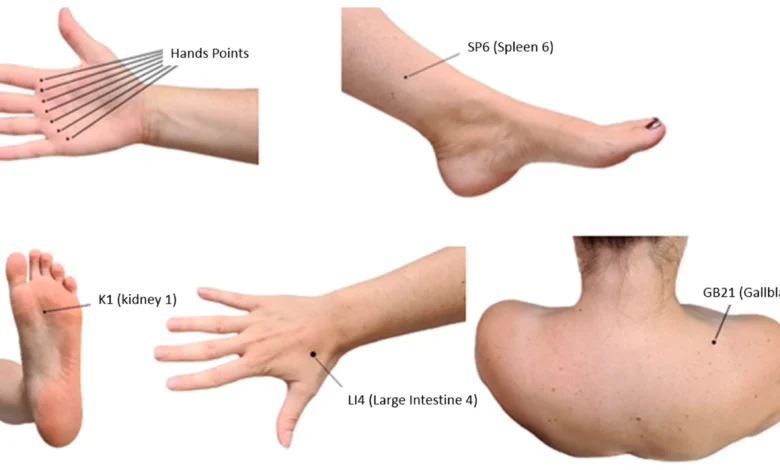
Found a few finger-widths above the inner ankle bone, along the lower leg.
Benefits include:
- Improved circulation
- Reduced swelling and heaviness
Pressure should be light and avoided if there is pain or a history of complications.
Acupressure for Headaches and Tension
Hormonal shifts and fatigue can trigger headaches during pregnancy.
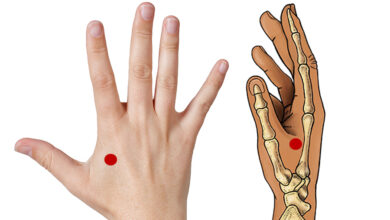
Hand Pressure Point (LI4)
Located in the soft area between the thumb and index finger.
Potential benefits:
- Relief from tension headaches
- Reduced stress and jaw tension
This point should be used cautiously and avoided late in pregnancy unless approved by a healthcare provider.
Tips for Safe Acupressure During Pregnancy
Practicing acupressure safely is essential.
Important safety tips:
- Always use gentle pressure
- Avoid prolonged or intense stimulation
- Stop if dizziness, pain, or discomfort occurs
- Consult a healthcare provider before trying new techniques
Acupressure should complement, not replace, professional prenatal care.
FAQs About Acupressure During Pregnancy
1. Is acupressure safe during all stages of pregnancy?
Many techniques are safe, but some points should be avoided or used cautiously depending on the trimester.
2. How often can acupressure be practiced during pregnancy?
It can be done daily in short sessions, as long as it remains comfortable and gentle.
3. Can acupressure help with sleep problems during pregnancy?
Yes, certain points may promote relaxation and support better sleep.
4. Should acupressure be avoided in high-risk pregnancies?
Yes, women with high-risk conditions should consult their healthcare provider first.
5. Can partners help apply acupressure?
Yes, with proper guidance, partners can safely assist with gentle acupressure.
6. How long does it take to feel relief from acupressure?
Some people feel relief quickly, while others may need repeated sessions.
7. Is acupressure a replacement for medical treatment?
No, acupressure is a complementary approach and should not replace medical advice or care.