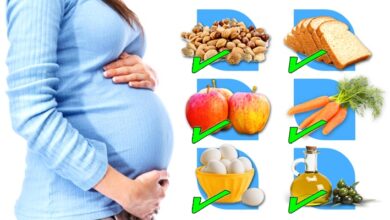
Pregnancy places unique nutritional demands on a woman’s body. As the baby grows and develops, the need for specific vitamins, minerals, and macronutrients increases to support organ formation, brain development, and overall maternal health. Focusing on essential nutrients helps reduce complications and promotes a healthier pregnancy journey.
Why Nutrient Intake Matters During Pregnancy
During pregnancy, nutrients are shared between mother and baby. Inadequate intake may affect fetal growth or leave the mother feeling depleted.
Adequate nutrition helps to:
- Support fetal organ and tissue development
- Maintain maternal energy and immune function
- Reduce the risk of anemia and bone loss
- Prepare the body for labor and postpartum recovery
Quality nutrition is most effective when it comes from a balanced diet supported by prenatal guidance.
Folic Acid: Foundation for Early Development
Folic acid plays a critical role in preventing neural tube defects during early pregnancy.
Why it’s essential:
- Supports brain and spinal cord development
- Helps form red blood cells
Food sources include:
- Leafy green vegetables
- Citrus fruits
- Fortified cereals and grains
- Legumes
Consistent intake is especially important in the first trimester.
Iron: Supporting Oxygen and Energy
Iron is necessary to produce hemoglobin, which carries oxygen to both mother and baby.
Benefits of sufficient iron intake:
- Prevents pregnancy-related anemia
- Supports healthy blood volume expansion
- Reduces fatigue and weakness
Iron-rich foods include:
- Lean red meat
- Beans and lentils
- Spinach
- Iron-fortified grains
Combining iron with vitamin C-rich foods improves absorption.
Calcium: Building Strong Bones and Teeth
Calcium supports the development of the baby’s bones and teeth while protecting the mother’s bone density.
Key benefits:
- Maintains skeletal strength
- Supports muscle and nerve function
Good sources of calcium include:
- Milk, yogurt, and cheese
- Fortified plant-based alternatives
- Leafy greens
Adequate intake is essential throughout pregnancy.
Protein: Growth and Repair Nutrient
Protein is vital for building fetal tissues and supporting maternal muscle and blood supply.
Protein supports:
- Fetal growth
- Placental development
- Maternal tissue repair
Healthy protein sources include:
- Eggs
- Poultry and fish
- Dairy products
- Beans, nuts, and seeds
Distributing protein intake evenly across meals improves utilization.
Omega-3 Fatty Acids: Brain and Vision Support
Omega-3 fatty acids, especially DHA, contribute to fetal brain and eye development.
Benefits include:
- Support for cognitive development
- Contribution to healthy birth weight
Dietary sources include:
- Fatty fish with low mercury levels
- Walnuts and flaxseeds
- Fortified foods
Moderation and safe sourcing are important.
Vitamin D: Supporting Immunity and Bone Health
Vitamin D helps regulate calcium absorption and supports immune function.
Why vitamin D matters:
- Strengthens bones and teeth
- Supports fetal skeletal development
Sources include:
- Sunlight exposure
- Fortified dairy products
- Eggs and fatty fish
Many women require supplementation based on individual needs.
Iodine: Supporting Thyroid Function
Iodine supports thyroid hormones, which regulate metabolism and brain development.
Benefits of adequate iodine intake:
- Supports fetal neurological development
- Maintains maternal thyroid health
Sources include:
- Iodized salt
- Dairy products
- Seafood
Balanced intake is essential for hormonal regulation.
Zinc and Magnesium: Supporting Growth and Comfort
These minerals contribute to cell growth, muscle function, and overall comfort during pregnancy.
Zinc benefits:
- Supports immune health
- Aids tissue growth and repair
Magnesium benefits:
- Helps reduce muscle cramps
- Supports nerve and muscle function
Both minerals are found in whole grains, nuts, seeds, and legumes.
Hydration: The Often Overlooked Nutrient
Water plays a crucial role in nutrient transport and waste removal.
Hydration supports:
- Amniotic fluid levels
- Digestion and circulation
- Temperature regulation
Regular fluid intake improves overall pregnancy comfort.
FAQs About Essential Nutrients During Pregnancy
1. Can a balanced diet provide all necessary pregnancy nutrients?
A balanced diet covers many needs, but some nutrients may still require supplementation.
2. Are prenatal vitamins enough on their own?
Prenatal vitamins support nutrition but work best alongside healthy food choices.
3. Does nutrient need change by trimester?
Yes, certain nutrient requirements increase as pregnancy progresses.
4. Can nutrient deficiencies affect pregnancy outcomes?
Prolonged deficiencies may increase the risk of complications or fatigue.
5. Is it safe to adjust diet without professional guidance?
Major dietary changes should always be discussed with a healthcare provider.
6. How can nausea impact nutrient intake?
Nausea may reduce appetite temporarily, but small, nutrient-dense meals help maintain intake.
7. Should nutrient intake be monitored during prenatal visits?
Yes, regular monitoring helps ensure both mother and baby are receiving adequate nutrition.