A well-planned pregnancy diet supports the growing baby while helping the mother maintain energy, strength, and overall health. Nutritional needs increase during pregnancy, but quality matters more than quantity. Choosing the right foods each day helps promote healthy fetal development and reduces the risk of common pregnancy discomforts.
Core Principles of a Healthy Pregnancy Diet
Pregnancy nutrition focuses on balance, variety, and consistency. Each meal should deliver essential nutrients without unnecessary additives or empty calories.
Key principles to follow:
- Eat a wide variety of whole foods
- Focus on nutrient density rather than portion size
- Maintain regular meal times to stabilize energy
- Stay hydrated throughout the day
Listening to hunger and fullness cues is equally important.
Essential Nutrients Every Pregnancy Diet Needs
Certain nutrients play a critical role in fetal growth and maternal health, especially during early development stages.
Protein for Growth and Repair
Protein supports the formation of fetal tissues and helps maintain maternal muscle mass.
Best protein sources include:
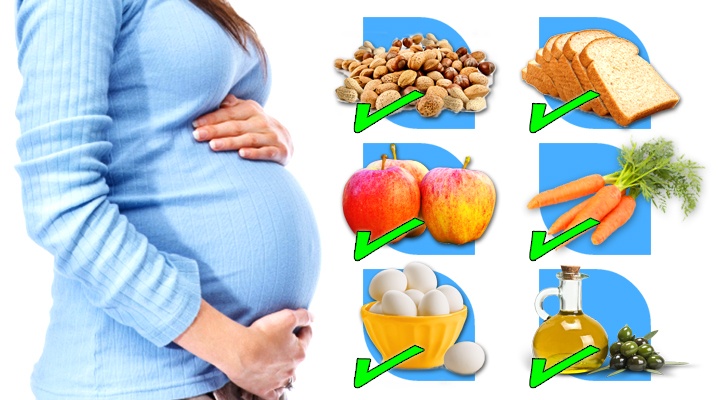
- Eggs
- Lean poultry and meat
- Fish with low mercury levels
- Beans, lentils, and chickpeas
- Dairy products
Spreading protein intake across meals helps improve digestion and absorption.
Healthy Carbohydrates for Energy
Carbohydrates provide the primary energy source for both mother and baby.
Choose complex carbohydrates such as:
- Whole grains
- Brown rice and oats
- Sweet potatoes
- Fruits and vegetables
These options also supply fiber, which helps prevent constipation.
Healthy Fats for Brain Development
Healthy fats support fetal brain and eye development while aiding vitamin absorption.
Recommended fat sources include:
- Avocados
- Nuts and seeds
- Olive oil
- Fatty fish in moderation
Avoid trans fats and heavily processed oils.
Fruits and Vegetables: Daily Nutrition Powerhouses
Fruits and vegetables supply vitamins, minerals, antioxidants, and hydration.
Benefits of daily intake:
- Supports immune function
- Aids digestion
- Reduces inflammation
- Helps regulate blood pressure
Aim for a colorful variety to ensure broad nutrient coverage.
Calcium and Iron-Rich Foods
Bone development and oxygen delivery depend heavily on calcium and iron intake during pregnancy.
Calcium-rich foods include:
- Milk, yogurt, and cheese
- Fortified plant-based alternatives
- Leafy greens
Iron-rich options include:
- Lean red meat
- Spinach and legumes
- Iron-fortified cereals
Pair iron-rich foods with vitamin C sources to enhance absorption.
Hydration and Pregnancy Nutrition
Water supports increased blood volume, digestion, and nutrient transport.
Hydration tips:
- Sip water consistently throughout the day
- Include water-rich foods like fruits and soups
- Limit sugary beverages
Adequate hydration also helps reduce swelling and fatigue.
Foods to Limit or Avoid During Pregnancy
Some foods pose safety risks or provide little nutritional value.
Limit or avoid:
- Highly processed foods
- Excessive caffeine
- Raw or undercooked meats and seafood
- Unpasteurized dairy products
When unsure, choosing freshly prepared and well-cooked foods is safest.
Creating a Simple Daily Pregnancy Meal Plan
A practical approach helps maintain consistency without stress.
Example daily structure:
- Breakfast with protein, whole grains, and fruit
- Balanced lunch with vegetables, protein, and healthy fats
- Nutritious snacks between meals
- Light, well-rounded dinner
Flexibility is key, especially during periods of nausea or fatigue.
FAQs About Pregnancy Diet and Nutrition
1. Does eating more mean eating for two during pregnancy?
No, pregnancy increases nutrient needs more than calorie needs, especially in early stages.
2. Can cravings indicate missing nutrients?
Cravings are common and not always linked to deficiencies, though persistent unusual cravings should be discussed with a healthcare provider.
3. Is it safe to eat fish during pregnancy?
Yes, low-mercury fish in moderation can provide valuable omega-3 fatty acids.
4. How can nausea affect healthy eating in early pregnancy?
Nausea may limit food choices temporarily, but small, frequent meals help maintain nutrition.
5. Are supplements a substitute for healthy food?
No, supplements support nutrition but cannot replace the benefits of whole foods.
6. Can diet influence pregnancy energy levels?
Yes, balanced meals help stabilize blood sugar and reduce fatigue.
7. When should dietary concerns be discussed with a professional?
Any concerns about weight gain, food tolerance, or nutrient intake should be addressed during prenatal visits.